In the fashion world, technological advancements have been instrumental in revolutionizing how fashion brands operate. With the introduction of next-generation technology, fashion brands can explore new frontiers and create innovative solutions that cater to changing consumer demands.
But the question remains: How do fashion brands use next-generation technology, and what are the impacts of using this technology on the industry?
Next-Gen Technology in Fashion

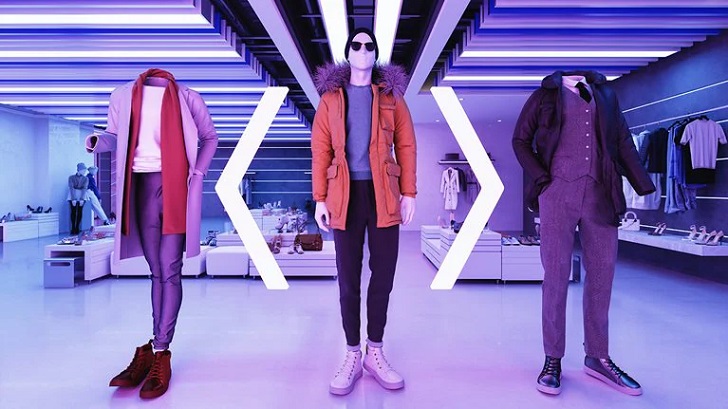
Tribute Brand/ Instagram | Virtual models help reduce waste by showcasing clothes that haven’t actually been manufactured.
Next-generation technology is a broad term that encompasses a range of technological advancements, including artificial intelligence, machine learning, and the Internet of Things (IoT).
In the fashion industry, these technologies are being used to create smart fabrics, improve supply chain management, and provide consumers with personalized experiences.
Smart Fabrics
Smart fabrics are textiles that have been designed with technology embedded within them. These fabrics have the ability to collect data, monitor vital signs, and even change color or shape in response to environmental factors.
Fashion brands are using smart fabrics to create innovative designs that can adapt to the needs of consumers. For example, Levi’s has launched a smart jacket that uses conductive fibers, allowing wearers to control their smartphones using gestures.
Improved Supply Chain Management
Next-generation technology is also being used to improve supply chain management in the fashion industry. With the help of blockchain technology, fashion brands can track the movement of their products from the factory to the consumer.
This allows for greater transparency and accountability in the supply chain, reducing the risk of counterfeiting and improving the overall efficiency of the industry.
Personalized Experiences
The new tech can also be used to improve customer experience. Using data analytics and artificial intelligence, brands can create customized consumer recommendations based on browsing history and purchasing habits. This allows for a more personalized shopping experience and can increase customer loyalty.
The Benefits of Next-Gen Technology in Fashion
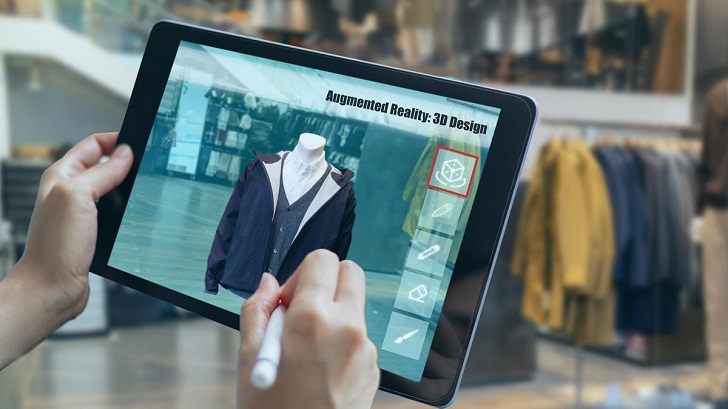
Getty/ Forbes | Fashion is one of the biggest industries globally, and revenues in the global apparel market are expected to reach $2.25 trillion by 2025
The use of next-generation technology in the fashion industry has numerous benefits. Some of these benefits include: